
Ethernet has become the backbone of modern power system automation. From protection relays and bay controllers to SCADA gateways and digital substations, Ethernet networks now carry time-critical protection traffic alongside operational and engineering data. However, substations are among the harshest environments in which communication equipment can be installed. High electromagnetic interference, wide temperature ranges, vibration, and electrical transients are routine rather than exceptional.
An IEC 61850-3 Ethernet switch is specifically designed to operate reliably under these conditions. Unlike commercial or standard industrial Ethernet switches, it complies with the general requirements defined in IEC 61850-3, ensuring suitability for power utility environments. This standard is not about data modeling or communication protocols alone; it defines the environmental, electrical, EMC, mechanical, and safety requirements that communication devices must meet to be deployed in substations and power plants.
For utilities and system integrators, IEC 61850-3 compliance is often a mandatory tender requirement. For manufacturers, it is a benchmark that distinguishes substation-grade networking equipment from generic industrial hardware. This article provides a comprehensive, end-to-end explanation of IEC 61850-3 Ethernet switch requirements, how they influence switch design, and how they should be interpreted during specification and procurement.
Table of Contents
1. What Is an IEC 61850-3 Ethernet Switch?
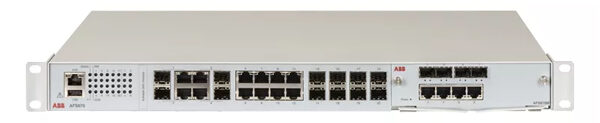
An IEC 61850-3 Ethernet switch is a substation-grade networking device that meets the environmental and functional requirements defined in IEC 61850-3 for communication and automation equipment used in power utility environments.
It is important to distinguish between:
- IEC 61850 compatible: Indicates that a device can transport IEC 61850 protocols (such as MMS, GOOSE, or Sampled Values).
- IEC 61850-3 compliant: Indicates that the device meets the construction, environmental, EMC, and safety requirements required for substation installation.
Many Ethernet switches can forward IEC 61850 traffic, but only those tested and designed according to IEC 61850-3 can be considered suitable for long-term deployment in substations.
2. Scope of IEC 61850-3 as It Applies to Ethernet Switches
IEC 61850-3 defines general requirements for communication and automation equipment installed in power plants and substations. Ethernet switches are explicitly within scope as communication equipment forming part of station bus and process bus architectures.
The standard covers:
- Environmental conditions
- Electrical ratings and power supply requirements
- Electromagnetic compatibility (EMC)
- Mechanical and climatic performance
- Communication behavior during tests
- Marking, documentation, and safety considerations
IEC 61850-3 does not define network redundancy protocols or Ethernet frame formats. These are covered by other standards (for example, redundancy by IEC 62439-3). However, IEC 61850-3 ensures that Ethernet switches can reliably support these functions under real substation conditions.
3. Environmental Requirements for IEC 61850-3 Ethernet Switches
3.1 Operating Temperature
One of the most visible differences between substation-grade and commercial Ethernet switches is the operating temperature range. IEC 61850-3 defines normal environmental conditions with a typical operating range of –10 °C to +55 °C. The standard also allows for extended temperature ranges, commonly up to –40 °C to +70 °C, when agreed between manufacturer and user.
This requirement ensures that Ethernet switches can operate:
- In unconditioned relay rooms
- In outdoor enclosures
- In regions with extreme climates
3.2 Humidity and Condensation
Substations may experience high humidity, particularly in tropical or coastal regions. IEC 61850-3 specifies relative humidity levels up to 95% (24-hour average) under normal conditions, with no condensation or ice formation. Switch design must therefore include:
- Appropriate PCB coatings
- Corrosion-resistant materials
- Ventilation strategies that prevent moisture buildup
3.3 Altitude and Air Pressure
IEC 61850-3 assumes installation up to 2,000 m above sea level without derating. At higher altitudes, insulation coordination and cooling performance must be reviewed. This is particularly relevant for substations in mountainous regions.
3.4 Pollution Degree
The standard references pollution degrees to account for conductive dust, salt, or industrial contamination. Ethernet switches intended for substations must tolerate pollution degree 2 or 3, depending on installation conditions. This impacts creepage distances, enclosure design, and material selection.
4. Power Supply and Electrical Ratings
4.1 Auxiliary Power Supplies
Substations use a wide range of auxiliary power systems, often based on DC battery supplies. IEC 61850-3 allows Ethernet switches to support both AC and DC auxiliary supplies, with preferred DC voltages including:
- 24 VDC
- 48 VDC
- 110 VDC
- 125 VDC
- 220 VDC
AC options commonly include 110 VAC and 230 VAC.
4.2 Voltage Tolerance
The standard defines an operating range of 80% to 110% of rated voltage, ensuring continued operation during:
- Battery discharge conditions
- Charger ripple
- Temporary voltage deviations
4.3 Power Burden and Inrush Current
Manufacturers must specify:
- Power consumption at quiescent and maximum load
- Inrush current at startup
This information is critical for system designers sizing auxiliary power systems and ensuring stable startup behavior during substation energization.
5. EMC and Electrical Immunity Requirements
5.1 Why EMC Is Critical in Substations
Substations are electrically noisy environments. Switching operations, fault currents, lightning strikes, and high-voltage equipment generate electromagnetic disturbances that can disrupt communication equipment. IEC 61850-3 aligns Ethernet switch EMC requirements with those used for protection relays, reflecting the critical nature of their function.
5.2 Immunity Tests
IEC 61850-3 references a comprehensive set of immunity tests, including:
- Electrostatic discharge (ESD)
- Electrical fast transients (EFT/burst)
- Surge immunity
- Radiated RF immunity
- Conducted RF immunity
- Power frequency magnetic fields
An IEC 61850-3 Ethernet switch must continue operating correctly during and after these disturbances, without packet loss or reboot that could compromise protection functions.
5.3 Emissions
In addition to immunity, Ethernet switches must meet emission limits to avoid interfering with other substation equipment. This ensures coexistence with sensitive measurement and protection devices.
6. Mechanical, Climatic, and Seismic Performance
6.1 Vibration and Shock
Substations experience vibration from nearby machinery, switching operations, and seismic activity. IEC 61850-3 references vibration and shock tests derived from relay standards to ensure mechanical robustness.
6.2 Seismic Considerations
In seismically active regions, Ethernet switches may be required to meet higher severity classes. This influences:
- Mounting methods
- Chassis rigidity
- Connector retention
6.3 Enclosure and Mounting
Most IEC 61850-3 Ethernet switches are designed for rack-mount or panel-mount installation in relay cabinets. Enclosures must provide adequate protection against dust and accidental contact, typically aligned with IP ratings suitable for indoor substations.
7. Communication Performance During IEC 61850-3 Tests
A critical and often overlooked aspect of IEC 61850-3 is that communication must be maintained during testing. The standard defines communication conditions under which Ethernet equipment, such as switches, is tested.
This means that during EMC, climatic, and electrical tests:
- Ethernet frames must continue to be forwarded correctly
- No unintended resets or configuration loss may occur
- Packet loss must remain within acceptable limits
For protection applications using GOOSE or Sampled Values, even brief communication interruptions can have serious consequences. IEC 61850-3 therefore treats Ethernet switches as active participants in protection systems, not passive infrastructure.
8. IEC 61850-3 vs IEEE 1613
Many Ethernet switches are certified to both IEC 61850-3 and IEEE 1613. While similar, there are important differences:
- IEC 61850-3 is widely used globally and closely aligned with IEC protection standards.
- IEEE 1613 is more common in North America.
Utilities often specify compliance with both standards to ensure global applicability and maximum robustness. When evaluating switches, it is important to verify test reports rather than relying on marketing claims.
9. IEC 61850-3 and Network Redundancy (PRP/HSR)
IEC 61850-3 does not define redundancy protocols but expects Ethernet switches to support architectures used in substations. Redundancy is typically implemented using:
An IEC 61850-3 Ethernet switch must be able to operate reliably within these architectures, maintaining performance during network faults and disturbances.
10. Common Mistakes When Selecting IEC 61850-3 Ethernet Switches
10.1 Confusing Protocol Support with Compliance
Supporting IEC 61850 protocols does not imply IEC 61850-3 compliance. Always verify environmental and EMC certification.
10.2 Ignoring Power Supply Requirements
Using switches with IT-style power supplies in substations often leads to premature failure.
10.3 Incomplete EMC Testing
Partial testing or self-declarations without accredited test reports can result in non-compliant installations.
10.4 Overlooking Documentation
IEC 61850-3 requires clear marking and documentation. Missing information can delay project approval.
11. How to Specify an IEC 61850-3 Ethernet Switch
When writing technical specifications or evaluating bids, include:
- Explicit reference to IEC 61850-3 compliance
- Required operating temperature range
- Supported auxiliary power voltages
- EMC test standards and severity levels
- Required documentation and test reports
Clear specifications reduce ambiguity and ensure comparable bids.
12. Typical Applications in Digital Substations
IEC 61850-3 Ethernet switches are used in:
- Station bus networks
- Process bus architectures
- Protection and control systems
- SCADA communication networks
- Engineering access and monitoring systems
Their role is foundational, enabling reliable communication across the entire substation lifecycle.
Conclusion: Why IEC 61850-3 Is Non-Negotiable
An IEC 61850-3 Ethernet switch is not merely a network component; it is a critical element of the power system protection and automation infrastructure. Compliance with IEC 61850-3 ensures that Ethernet switches can withstand the harsh realities of substation environments while delivering reliable, deterministic communication.
For utilities, it reduces operational risk and lifecycle cost. For engineers, it provides confidence that communication infrastructure will not be the weak link in protection systems. For manufacturers, IEC 61850-3 compliance demonstrates commitment to utility-grade quality and long-term reliability.
In modern digital substations, IEC 61850-3 is not optional—it is the baseline for trustworthy Ethernet networking.